Cataracts
A cataract is a clouding of the eye’s normally clear lens. It can be compared to looking through a window that has become frosted or yellowed. The amount and pattern of cloudiness can vary. If the cloudiness is away from the center of the lens, you may not notice any symptoms at first.
What Causes Cataracts?
The most common type of cataract is related to the natural aging of the eye. Other contributing factors include:
- Family history
- Medical conditions such as diabetes
- Eye injuries
- Certain medications, especially steroids
- Radiation exposure
- Long-term, unprotected exposure to sunlight
- Previous eye surgery
- Unknown factors
Cataract Surgery
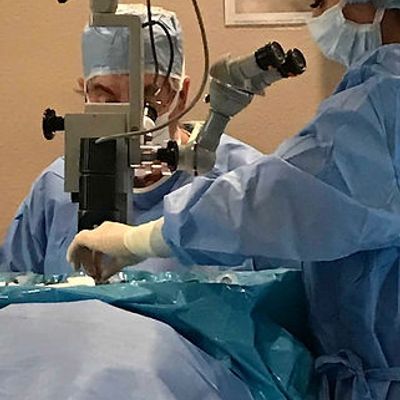
Cataract surgery is the most frequently performed eye procedure in the world. Our surgeries are completed on-site at the Ontario Surgery Center on an outpatient basis. If you have questions about your scheduled procedure—or would like to schedule a cataract evaluation—please contact our office.
When to See a Doctor
Schedule an eye exam if you notice any changes in your vision. If you experience sudden symptoms — such as double vision, flashes of light, sudden eye pain, or a sudden headache — contact your healthcare provider immediately.

When to Consider Cataract Surgery
Talk with your eye doctor about whether cataract surgery is right for you. Most people begin considering surgery when cataracts start to interfere with daily activities or reduce overall quality of life — such as difficulty reading, driving at night, or seeing clearly in low‑light conditions.
For many individuals, cataracts do not need to be removed right away because they typically do not harm the eye. However, cataracts may progress more quickly in people with certain health conditions, including diabetes, high blood pressure, or obesity.
Waiting to have cataract surgery usually does not affect how well your vision recovers. Take time to discuss the benefits and risks with your healthcare team. If you decide to postpone surgery, your eye doctor may recommend regular follow‑up exams to monitor any changes. The frequency of these visits will depend on your specific situation.
What Happens During Cataract Surgery
Cataract surgery involves removing the clouded natural lens and replacing it with a clear artificial lens called an intraocular lens (IOL). The IOL is placed in the same position as your original lens and becomes a permanent part of your eye. In rare cases where an artificial lens cannot be used, vision can be corrected afterward with glasses or contact lenses.
Cataract surgery is typically performed on an outpatient basis, meaning you can go home the same day. During the procedure, your eye surgeon numbs the area around your eye, and you are given mild sedation to help you relax.
The procedure is generally very safe, though—like any surgery—it carries some risks, including infection, bleeding, or, rarely, retinal detachment. After surgery, your eye may feel sore for a few days, and healing usually occurs within a few weeks.
If you need cataract surgery in both eyes, your doctor will usually schedule the second eye after the first has healed.