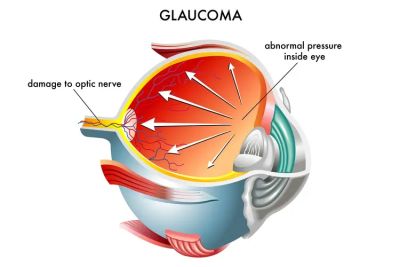
Glaucoma
Glaucoma affects nearly 3 million Americans, and more than 120,000 will experience permanent blindness from the disease. Worldwide, glaucoma remains one of the leading causes of irreversible vision loss. Even when it does not cause complete blindness, it can significantly impair vision and quality of life.
Types of Glaucoma
- Acute closed‑angle glaucoma
- Chronic (primary) open‑angle glaucoma
- Additional forms include congenital, pigmentary, and secondary glaucoma.
Chronic Glaucoma: The Silent Threat
Chronic glaucoma typically develops after age 35 and is often called the silent thief of sight because it usually has no early warning signs. In fact, about half of Americans with chronic glaucoma don’t know they have it.
The disease slowly reduces peripheral vision, and by the time patients notice symptoms, permanent optic nerve damage has already occurred. If intraocular pressure remains elevated, vision can narrow into tunnel vision, leaving only straight‑ahead sight.
Symptoms to Watch For
Although chronic glaucoma is often symptom‑free, some people may experience:
- Headaches
- Blurred vision
- Difficulty adjusting to darkness
- Halos around lights
Any of these signs warrant a comprehensive eye exam.
My Commitment to Your Eye Health
Throughout my career as an ophthalmologist, I’ve cared for many patients with glaucoma. Your comfort, safety, and long‑term vision are my highest priorities. I continually advance my medical techniques and diagnostic tools to provide the most effective care possible.
If you have concerns about your vision or risk factors for glaucoma, please reach out to schedule an initial consultation.
When to Call the Doctor Immediately
A painful, red eye can indicate:
- Acute narrow‑angle glaucoma
- Inflammation
- Infection
- Other serious eye conditions
These situations require urgent medical attention to prevent permanent damage.
If you become drowsy, tired, or short of breath after using glaucoma eye drops, contact your doctor promptly — some medications can worsen underlying heart or lung conditions.
Also bring a complete list of your medications to your appointment. Certain drugs, including common over‑the‑counter sinus, cold, stomach, or digestive medications, may trigger an acute closed‑angle glaucoma attack